
A ballroom can have flawless lighting, a polished stage, and a strong speaker lineup, yet still leave guests checking their phones by mid-afternoon. The experiential event trends gaining ground are changing that equation. Corporate audiences now expect to participate, influence the atmosphere, and leave with a story worth retelling – not simply sit through a well-produced program.
For business leaders, this does not mean every conference needs a dramatic spectacle or every company dinner needs a large-scale installation. It means designing each moment around a clear guest response: curiosity on arrival, connection during the program, and lasting recall after the final send-off. The strongest experiences pair a creative idea with disciplined planning, technical reliability, and close attention to how people move, gather, and engage.
Experiential Event Trends Are Becoming More Intentional
Experience-led events are not new, but the expectation for purpose has become sharper. A branded photo wall alone is no longer an experience. Neither is technology added without a reason. Guests notice when an activation exists only because it looks good in a proposal.
The better approach begins with the business objective. A product launch may need to make a new feature tangible. An annual dinner and dance may need to help colleagues reconnect across departments. A leadership conference may need to turn a strategic message into a shared commitment. Once that objective is clear, the event concept, guest journey, content, staging, and interaction can work toward the same result.
This shift matters for teams managing senior stakeholders, multiple internal departments, and limited event windows. Every feature should earn its place in the showflow. If it improves participation, reinforces the brand, or creates a memorable transition, it has value. If it creates a queue, distracts from the program, or adds operational risk without a clear benefit, it needs to be reconsidered.
Participation Is Replacing Passive Attendance
Guests increasingly want a role in the room. That can be as simple as live polling that shapes a panel discussion, a facilitated table challenge during a town hall, or an interactive product demonstration that lets attendees test a feature themselves. The goal is not constant activity. It is giving people meaningful moments of agency.
For internal events, participation often works best when it lowers social barriers. A well-designed team challenge, for example, can bring together employees who rarely collaborate in their day-to-day roles. For customer and brand events, participation should make the promise of the product easier to understand. A guest should be able to feel the difference, not just hear a presenter describe it.
There is a trade-off. More interaction requires more control behind the scenes. Facilitators need clear briefs, staff need to guide guests confidently, and the AV team must be ready to support microphones, screens, timers, and content cues. Participation feels natural to guests only when the production team has anticipated the details.
The guest journey starts before registration
Experiential design starts long before the opening video. Registration communications can build anticipation with a clear theme, an agenda that respects guests’ time, and practical arrival information that removes uncertainty. At the venue, signage, welcome teams, check-in stations, and the first visual reveal set the tone within minutes.
This is particularly important for large conferences, roadshows, and company celebrations where arrivals happen in waves. A beautiful entrance loses impact if guests cannot find registration or if the line blocks access to the activation area. Thoughtful guest flow is creative work as much as logistical work. It decides whether a first impression feels considered or chaotic.
Immersive Design Is Moving Beyond Decoration
Immersive environments are among the most visible experiential event trends, but the best ones do more than fill a venue with visual elements. They create a setting that supports the story of the event.
For a product launch, that may mean an arrival pathway that gradually reveals the product’s core benefit before the formal presentation. For a corporate retreat, it may mean transforming a meeting space into a calmer, more focused environment that encourages honest conversation. For a dinner and dance, it may be a theme carried consistently through stage content, table styling, entertainment, lighting, and guest activities.
Lighting is especially powerful because it can change the energy of a room without disrupting the event schedule. A conference can move from focused keynotes to lively networking with a deliberate shift in color, music, and room configuration. Projection, LED content, scenic staging, and sound design can add depth, but they should support the audience’s attention rather than compete with it.
Venue selection plays a major role here. A distinctive space can reduce the need for extensive build-outs, while a conventional venue may offer better loading access, ceiling height, power capacity, and rain contingency. The right decision depends on the creative ambition, guest count, budget, program format, and technical requirements. Early site inspections prevent expensive assumptions from becoming show-day problems.
Technology Needs a Human Job to Do
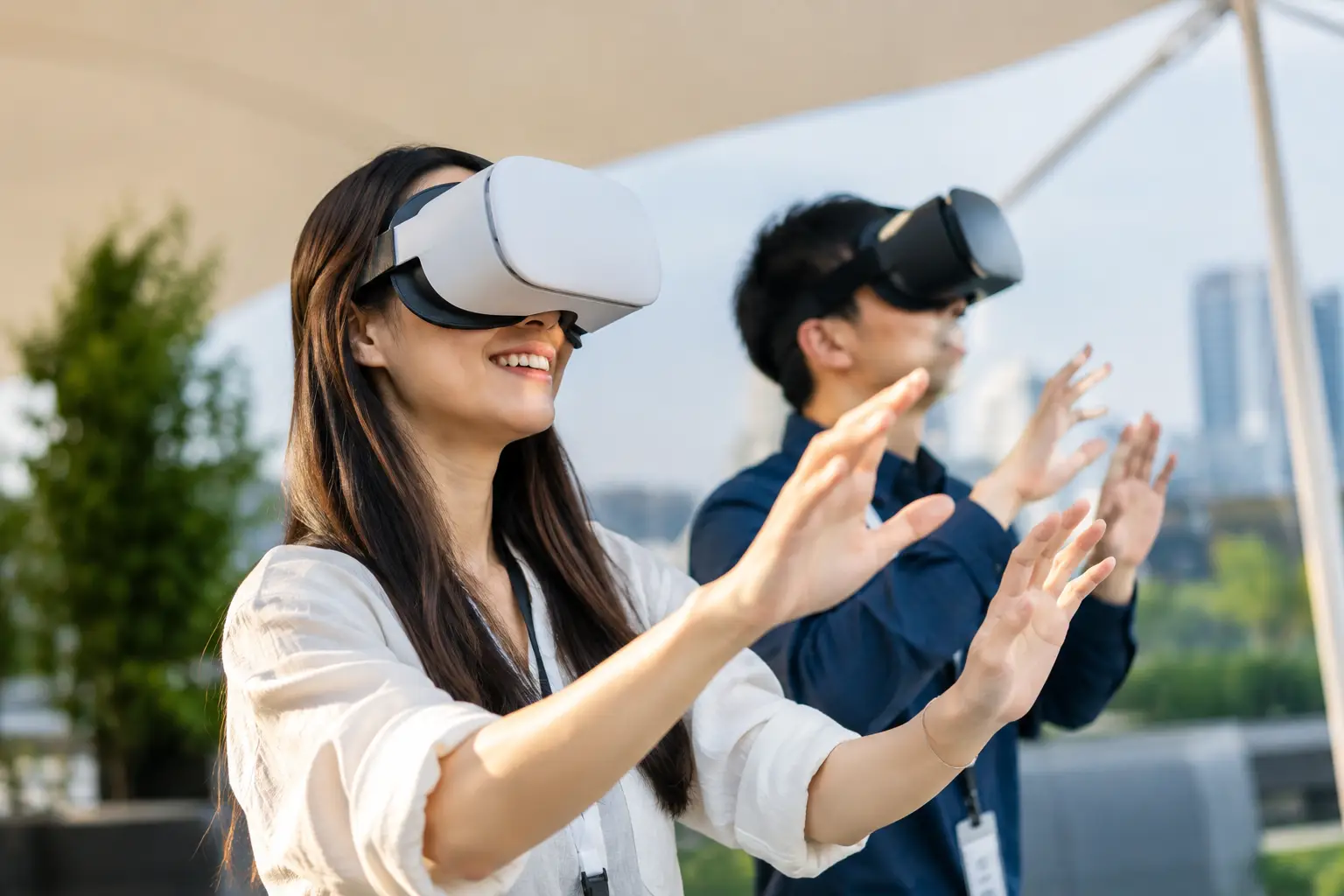
Interactive screens, event apps, RFID touchpoints, AI-assisted content, and mixed-reality demonstrations can add real value when they solve a guest need. They can shorten check-in, personalize content, capture useful feedback, or turn a complex product into something easier to explore.
But technology is not automatically engaging. A digital activation with unclear instructions can create hesitation. A mobile app may be underused if guests only need the schedule once. A high-tech installation can become a bottleneck if it is designed for one person at a time while hundreds are arriving.
The practical test is simple: what should a guest do, feel, or understand differently because this technology exists? If the answer is clear, the technology can be planned around capacity, connectivity, staffing, accessibility, and data handling. If the answer is vague, a more direct human interaction may be the stronger choice.
For high-stakes programs, production redundancy also matters. Backup playback, tested internet connections, spare microphones, power planning, and content confirmation are not glamorous, but they protect the experience when the room is full and the clock is running.
Local Culture and Shared Moments Carry More Weight
In Singapore and across Southeast Asia, audiences often bring different languages, professional cultures, and expectations into the same room. Events that feel inclusive are more likely to create genuine connection. That may involve programming that is accessible across teams, food and entertainment choices that reflect the guest profile, or participation formats that do not privilege only the loudest voices.
Shared spectacle also continues to matter, especially when it gives a group a moment of collective pride. A live music performance, coordinated opening, surprise reveal, or synchronized drone light show can create a powerful peak in the program. These moments work best when they are tied to the story. A drone sequence at a brand milestone, for example, can visualize progress, scale, and ambition in a way that a standard screen presentation may not.
Spectacle does come with constraints. Outdoor productions require weather plans, venue permissions, airspace considerations, safety management, and precise timing. Artists require technical riders, rehearsal time, and clear stage management. The more ambitious the moment, the earlier it should be integrated into the production plan.
Sustainability Is Becoming a Design Discipline
Sustainable event choices are moving beyond visible gestures. Guests and stakeholders can tell the difference between a token recycling station and a production plan that reduces unnecessary waste from the start.
That can include modular scenic elements that can be reused, digital materials where they genuinely improve access, locally sourced production resources, right-sized food planning, and giveaway items people will actually keep. It can also mean resisting the urge to overbuild. A simpler set with strong lighting, well-produced content, and a disciplined showflow can deliver greater impact than a large installation used for only a few hours.
The balance is not always simple. Printed signage may be more practical for guest navigation than relying entirely on phones. Reusable structures may require storage or transport. The right solution depends on the venue, event scale, audience behavior, and available lead time. What matters is making conscious decisions early enough for them to influence sourcing and production.
Execution Is What Makes an Experience Feel Effortless
A memorable event is often remembered for the visible moment, but it is protected by the invisible work: vendor schedules, loading coordination, floor plans, cue sheets, artist call times, rehearsals, technical checks, guest communications, and on-ground decision-making.
This is where a full-service production partner adds real confidence. Teamup Event brings creative storytelling and operational control into one working plan, from concept and venue sourcing through AV production, staging, crew coordination, and show-day management. Rather than asking an internal team to connect every vendor and chase every detail, the production process gives each stakeholder a clear view of what happens, when it happens, and who owns it.
The most useful trend is not a piece of technology or a visual style. It is the decision to treat guests’ time as valuable and every touchpoint as part of the brand experience. Start with the feeling you want people to carry out of the room, then build the production plan carefully enough to make that feeling real.