
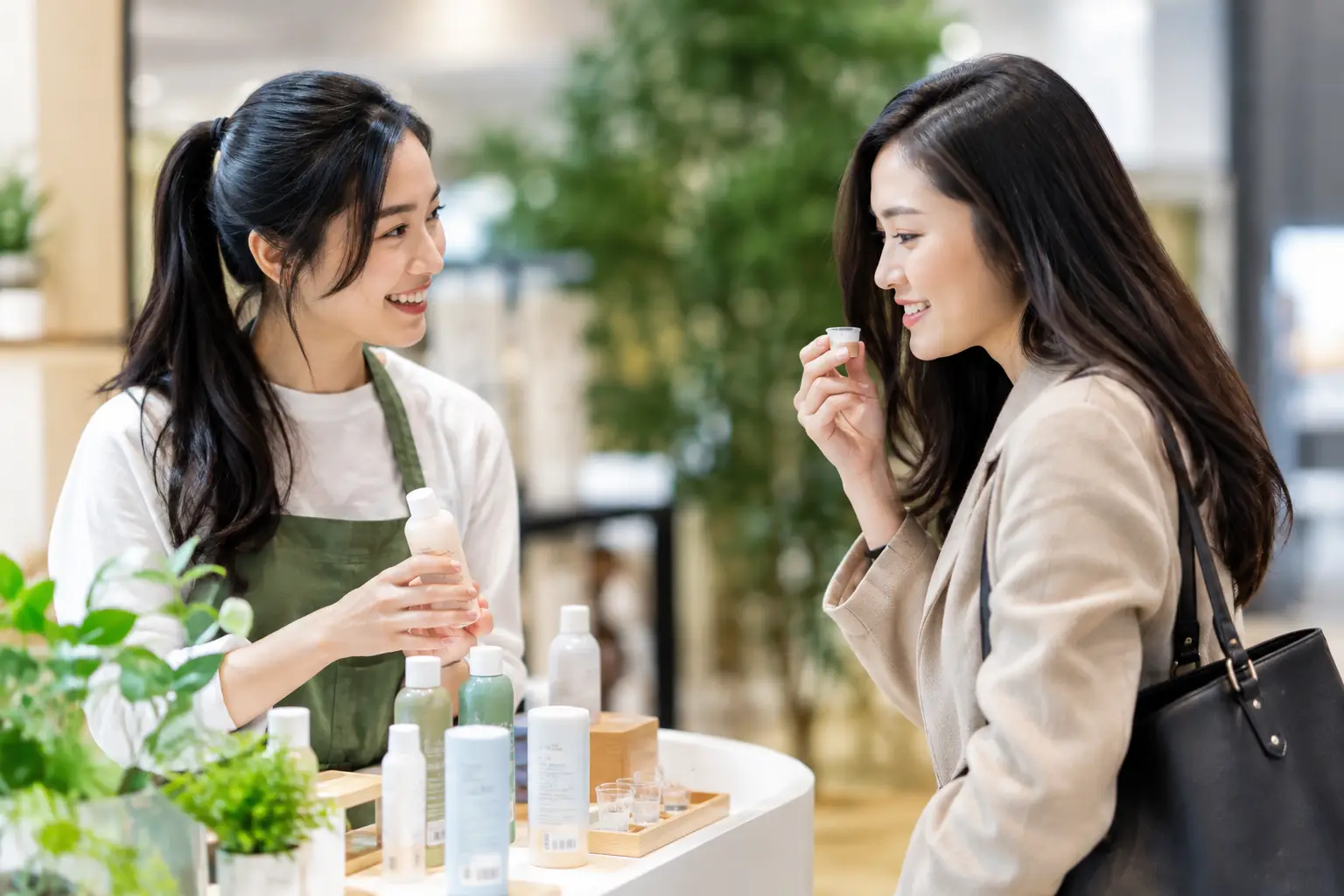
A sample can be handed over in seconds, but the impression it creates can shape a purchase decision long after the event ends. The strongest product sampling activations do more than distribute products. They give people a reason to pause, try, ask questions, share the moment, and remember the brand when they are ready to buy.
For marketing teams, that distinction matters. Free samples alone can create volume, but volume is not always value. A well-produced activation connects the product to the right audience, in the right setting, with a guest experience that feels natural rather than forced. It also gives the brand a clear way to measure what happened on the ground.
What makes product sampling activations effective?
Sampling works best when it solves a genuine barrier to trial. This is common with food and beverage, beauty, wellness, personal care, consumer technology, and new retail products. People may hesitate because they do not know the taste, texture, quality, application, or practical benefit. A live experience replaces that uncertainty with a direct interaction.
But a product should not be sampled simply because it can be. The format has to fit the product, the audience, and the campaign objective. A premium skincare product may need a calm consultation space with trained brand ambassadors. A ready-to-drink beverage may perform better at a high-energy roadshow, fitness event, or lifestyle festival. A new snack may need fast, high-volume distribution near offices, transit hubs, or shopping areas.
The creative idea and the operational plan need to support each other. If the concept is visually ambitious but the counter creates long queues, guests leave before trying the product. If the sample is generous but staff cannot explain what makes it different, the brand loses a valuable conversation. Great activations make the experience feel simple for the guest because the details have been planned carefully behind the scenes.
Start with the action you want after the sample
Before confirming a venue, booth footprint, or giveaway quantity, define what success looks like. Is the campaign designed to build awareness for a launch, encourage a first purchase, collect qualified leads, drive store visits, or generate social content? One activation can support several goals, but one should remain the primary measure.
For example, a brand entering a new market may prioritize reach and positive first impressions. In that case, a prominent location, high foot traffic, quick service, and clear visual branding can matter more than collecting detailed customer information. A brand introducing a higher-consideration product may need fewer but deeper interactions, supported by demonstrations, consultations, or guided tasting sessions.
This decision affects every production choice. It determines how many staff members are needed, whether QR registration is appropriate, how much time each guest should spend at the space, and what data should be captured. It also helps teams avoid a common mistake: treating a crowded booth as proof that the campaign worked. Footfall is useful context, but it does not automatically indicate product interest or future conversion.
Build the guest journey, not just the sampling counter
A sampling activation should have a clear beginning, middle, and next step. The opening needs to earn attention quickly. That might be a striking visual installation, a scent cue, a short challenge, a live demonstration, or a brand ambassador with a confident, approachable invitation.
The trial itself is the center of the experience. Samples should be easy to receive, safely prepared, and presented in a way that reflects the brand. Temperature, portion size, packaging, serving method, and replenishment rates all affect perception. For products that require explanation, staff should have simple, credible talking points rather than a memorized sales script.
Then comes the next step. Guests may receive a limited-time retail offer, scan a QR code for a product finder, vote for a preferred flavor, join a loyalty program, or take a photo at a branded moment. The best call to action is relevant to the reason they stopped. Asking for a lengthy form after a five-second snack sample can create friction. Asking a guest who has completed a personalized product consultation to receive tailored information is more reasonable.
Choose locations based on audience behavior
In Singapore and across Southeast Asia, location strategy is often where activation performance is won or lost. High foot traffic is attractive, but the wrong type of foot traffic can waste samples and crew hours. A commuter location may provide exceptional volume for a convenient beverage, while a beauty brand could benefit more from a mall atrium near complementary retailers.
Consider how people move through the space. Are they rushing, browsing, waiting, or gathering socially? Is there enough room for a queue without blocking access? Can the booth be seen from key entry points? Are power, water, storage, refrigeration, loading access, and waste disposal available? These questions sound practical because they are, but they directly affect the guest experience and the brand’s presentation.
Event timing deserves the same level of attention. Lunchtime office crowds, weekend family traffic, evening entertainment audiences, and trade-show delegates have different needs and dwell times. A product sampling plan should reflect those patterns, including shifts, stock replenishment, cleaning cycles, and peak-period service capacity.
Production details protect the brand experience
A polished activation is built long before the first guest arrives. For food and beverage campaigns, this can include food handling requirements, permits, cold-chain planning, handwashing stations, allergen information, and waste management. For beauty and wellness products, hygiene protocols, tester control, skin-contact considerations, and staff training are essential.
The physical setup must also work as a live operating environment. Branding should be visible from a distance without overwhelming the product. Staging, lighting, screens, sound, and interactive elements need to support the intended mood while allowing teams to communicate comfortably with guests. Storage should be accessible but discreet. Cables, back-of-house activity, and empty cartons should never become part of the customer-facing scene.
Crowd management is especially important when an activation includes games, celebrity appearances, product drops, or limited-edition giveaways. A strong showflow maps out peak moments, staff positions, queue routes, security requirements, and contingency responses. If rain, a late delivery, technical issue, or sudden surge in attendance occurs, the on-ground team should already know how to adapt without compromising safety or presentation.
Staff turn product knowledge into trust
Brand ambassadors are often the most memorable part of a sampling experience. Their role is not simply to hand out products. They set the tone, qualify interest, explain key benefits accurately, manage guest flow, and relay real-time feedback from consumers.
Training should cover the brand story, product details, appropriate claims, common questions, and escalation procedures. It should also prepare staff for the practical realities of the site: where supplies are kept, when stock should be replenished, how to reset the space, and who to contact if equipment fails.
The best teams sound informed without sounding rehearsed. They understand that some guests want a quick sample while others want a conversation. Matching that pace shows respect for the audience and keeps the activation moving efficiently.
Measure more than sample volume
A strong post-event report should show what happened, what was learned, and what should change next time. Total samples distributed is a useful starting point, but it should sit alongside measures such as engagement rate, dwell time, QR scans, lead quality, redemption activity, social content volume, sentiment, and product feedback.
Qualitative observations are valuable too. Which message prompted the most questions? When did queues form? Did guests understand how to use the product? Did one flavor, feature, or visual moment generate stronger interest? These insights can improve retail messaging, future roadshows, and even the product itself.
For campaigns with a sales objective, connect the activation to a clear conversion path. Unique promotional codes, location-specific offers, retailer redemption tracking, or CRM follow-up can help determine whether trial led to meaningful action. Not every brand needs an aggressive lead-capture mechanic, but every brand should know what signal will indicate progress.
A partner should bring creativity and control
Sampling campaigns involve more moving parts than they first appear to. Venue approvals, fabrication, staffing, stock, AV production, permits, transport, storage, guest flow, and show-day troubleshooting all need to align. When these elements are managed separately, the client often becomes the coordinator by default.
An experienced event production partner brings the creative concept and the operational discipline together. Teamup Event plans activations around the audience journey, then manages the on-ground details that make the experience feel effortless, memorable, and beautifully run. From venue sourcing and booth production to crew management, logistics, and live execution, the focus remains on protecting the brand experience at every touchpoint.
The most effective sampling campaign does not feel like a product handout. It feels like a well-timed invitation to try something worth remembering. Start with the behavior you want to influence, build the experience around it, and give every guest a clear reason to take the next step.